
NEWS
2026-07-01
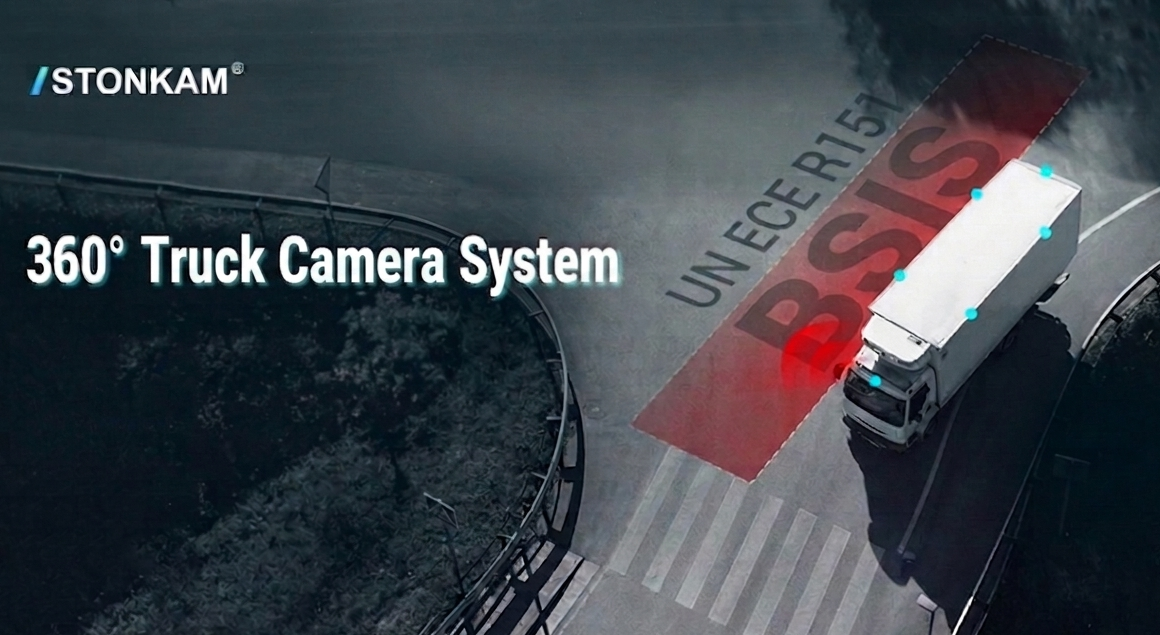
UN ECE R151 establishes the functional requirements for Blind Spot Information Systems (BSIS) on heavy commercial vehicles. Its objective is to reduce collisions with vulnerable road users by improving driver awareness of passenger-side blind spots.
To support UN ECE R151 requirements, a truck blind spot monitoring system should be able to:
● Monitor the passenger-side blind spot where pedestrians and cyclists are most at risk
● Detect vulnerable road users within the defined monitoring area
● Provide timely driver warnings when a potential collision risk is identified
● Deliver consistent detection performance under the operating conditions specified by the regulation
As UN ECE R151 becomes increasingly important in UNECE markets, truck manufacturers and fleet operators are adopting compliant blind spot monitoring solutions to improve safety and support regulatory compliance.
Blind spot-related collisions remain one of the most serious safety risks in heavy truck operations, especially in urban environments.
Common high-risk scenarios include:
● Right-turn operations in city traffic
● Loading and unloading at distribution centers
● Narrow road navigation
● Construction and municipal operations
● Pedestrian-heavy urban logistics routes
At the same time, global safety expectations are increasing. Fleet operators are no longer only focused on vehicle operation efficiency—they are also required to demonstrate structured safety risk management and compliance readiness.
As a result, UN ECE R151 is becoming a key reference point when selecting truck camera systems with reliable truck blind spot detection and upgrading fleet safety architectures.
To meet UN ECE R151 functional expectations, truck fleets need blind spot safety systems that go beyond basic camera installation and provide consistent performance in real driving conditions.
● Blind spot monitoring coverage: Continuous monitoring of side blind zones, especially on the passenger side during turning and low-speed operations
● AI pedestrian detection: Ability to identify pedestrians and cyclists in urban logistics environments where interaction risk is high
● Side visibility support: Real-time visual assistance to compensate for mirror limitations on large commercial trucks
● Reliable driver warning: Clear and timely alerts to help drivers react to potential collision risks in blind spot areas
● System integration capability: Unified architecture combining monitoring, detection, and warning functions for consistent fleet deployment
These requirements guide how truck camera systems and truck blind spot monitoring technologies are evaluated for compliance support.
How Can STONKAM Help Reduce Truck Side Blind Spot Risks and Meet UN ECE R151 Requirements?
UN ECE R151 defines functional requirements for blind spot information systems in heavy trucks, focusing on side blind spot monitoring, vulnerable road user detection, and real-time driver warning in urban traffic environments.
Compared with traditional camera setups, STONKAM 360 truck camera system is designed to improve both regulatory alignment and real-world fleet usability:
● 360° blind spot coverage
During truck turning, lane changes, and low-speed manoeuvres, STONKAM system provides a complete surround view to improve truck blind spot safety and reduce passenger-side visibility limitations.
● AI pedestrian detection
Designed for urban delivery and logistics operations, AI detects pedestrians and cyclists near the truck, enhancing truck blind spot detection where vulnerable road users are most at risk.
● Seamless panoramic image
A distortion-free 360° view helps drivers quickly understand vehicle surroundings, improving situational awareness in complex truck operating environments.
● 1-minute auto calibration
Fast calibration simplifies installation across large truck fleets, reducing deployment time while supporting standardized.
Together, these capabilities provide a more complete truck side blind spot safety monitoring solution, helping fleets reduce blind spot risks and support the functional requirements of UN ECE R151.
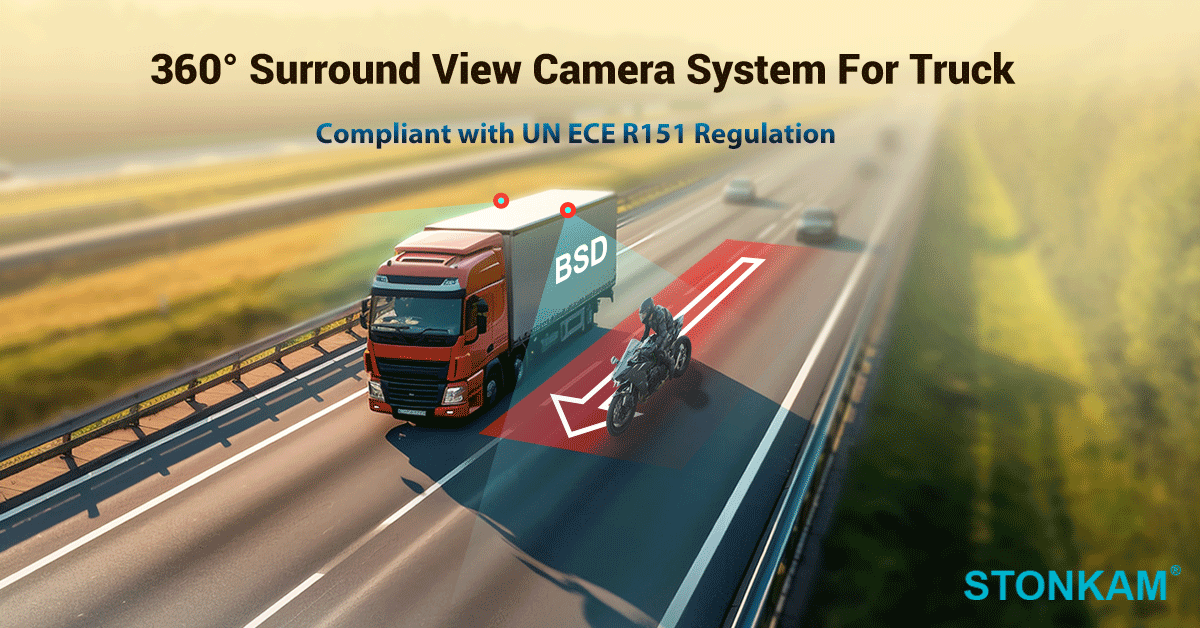
STONKAM truck safety camera systems can be deployed across a wide range of commercial truck types, including:
● Semi-trucks and tractor-trailers
● Articulated trucks and container trucks
● Logistics delivery trucks
● Heavy-duty transport trucks
These applications typically operate in environments where blind spot risks are frequent and operational visibility is critical.
● Certified Truck Camera System
STONKAM truck camera system provides solutions designed to support safety-oriented projects aligned with UN ECE R151 requirements.
● Flexible System Architecture
Provides a unified truck safety architecture integrating 360° vision and AI detection with 1-minute calibration, and supports scalable connection with radar systems for fleet deployment across different truck types.
● OEM and Fleet Experience
Extensive experience supporting OEMs and commercial truck fleets with UN ECE R151-compliant safety projects. Related truck safety case studies are available to demonstrate real-world deployment.
● Scalable Deployment Capability
STONKAM systems are designed for large-scale fleet installation and standardized deployment.
● Technical and Project Support
From system integration to after-sales service, STONKAM truck camera systems provide full lifecycle support for truck fleet safety projects,enabling flexible truck blind spot detection solutions for different truck platforms.
● UN ECE R151 focuses on side blind spot safety for heavy trucks.
● Fleet operators should prioritize accurate side blind spot coverage, stable vulnerable road user detection, and timely driver warnings when selecting truck safety systems.
● STONKAM integrated truck camera systems support side blind spot monitoring through AI pedestrian detection and 360° surround view, helping improve driver awareness and operational safety while supporting UN ECE R151 compliance.
● STONKAM provides certified truck safety solutions designed for truck fleet operators seeking scalable blind spot monitoring systems.
Q1:What is UN ECE R151(BSIS)compliance?
UN ECE R151 is a European regulation requiring Blind Spot Information Systems (BSIS) for commercial trucks. It aims to reduce collisions by helping drivers detect pedestrians and cyclists in the truck's side blind spots.
Q2:What type of vehicles and blind spots does the UN ECE R151 regulation mainly address?
It mainly targets trucks, mandating systems to cover and monitor side blind spots to alert drivers of potential collision risks.
Q3: What blind spot area does UN ECE R151 cover?
UN ECE R151 focuses on the truck side blind spot, where pedestrians and cyclists are most vulnerable. It requires reliable monitoring and timely driver warnings to help reduce side collision risks during turning and low-speed driving.
Q4:What technical factors matter most for supporting UN ECE R151 in trucks?
Key factors include side blind spot coverage accuracy, vulnerable road user detection stability, and driver warning timing. STONKAM truck camera system combines these functions into a unified platform for practical fleet use.
Q5:Can existing trucks be upgraded to support UN ECE R151 requirements?
Yes. STONKAM truck camera system can be added to provide 360° visibility and side blind spot monitoring for compliance-oriented upgrades.
Q6:How do fleet operators choose the truck camera system?
For fleet operators, UN ECE compliance is the top priority—it ensures legal acceptance and system reliability. Then assess blind‑spot coverage, AI detection, HD imaging, and plug‑and‑play integration. STONKAM provides all these in one certified solution, cutting deployment effort and maintenance while maximizing safety.
STONKAM CO., LTD
Add: 1/F.,#6Building,Huangzhou Industrial Park, Chebei Rd.,Tianhe,510660 Guangzhou,China
Tel: (86-20)6667 0988
Fax: (86-20)6667 0977
E-mail: sales@stonkam.com
WhatsApp: +86-15521270579; +86-15708917305
Copyright ©2002-2022 STONKAM CO.,LTD. 广州敏视数码科技有限公司 ALL Rights Reserved. 广东省通信管理局 粤ICP备05043268号




 AI intelligent systems
  AIoT
AIoT  360° Vision Systems
  Intelligent Terminal
  HD Monitors
  AHD Cameras
  Digital Cameras
  CMS
CMS  AI Wireless
  Regulations
  Thermal Cameras
  OEM Solutions
  Industry Applications
 Successful Case
  News
News
 Videos Center
 Introduction
  Why STONKAM®
  Culture
  Milestone
  Certificates
  Contact Us
 Support