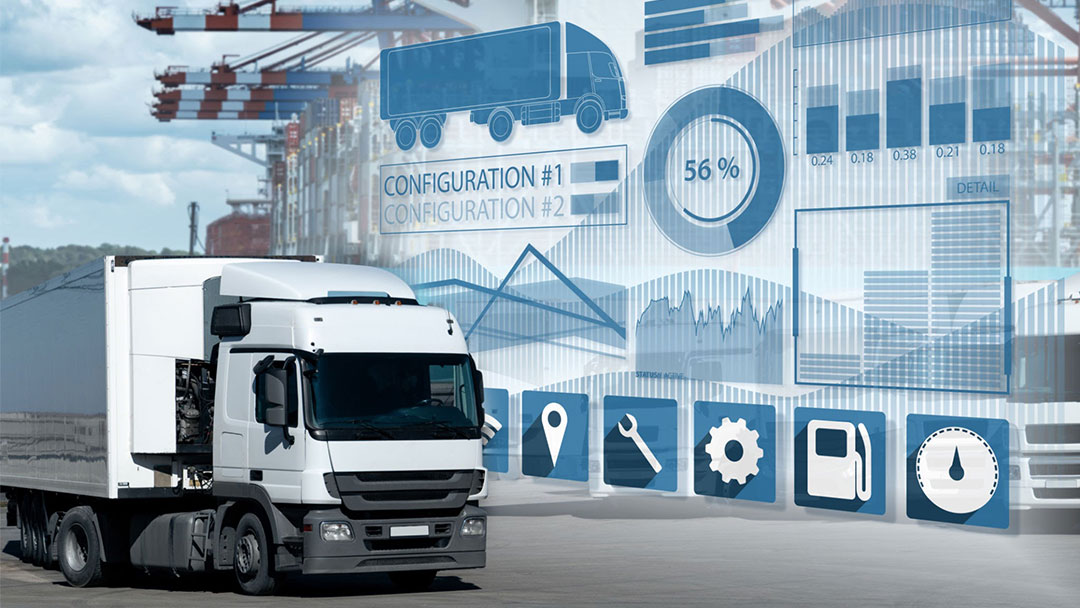
Truck Camera System Buying Guide: How to Choose the Right Camera System for Different Truck Applications?
What Should a Truck Camera System Cover?
Different commercial trucks operate in different environments and have different body structures, so their truck camera system requirements are not the same. A semi‑truck, an urban delivery truck, and a construction truck can face very different visibility and maneuvering risks.
The key differences usually come from three areas:
● Vehicle Structure
Truck length, body size, trailer configuration, and working equipment can create different blind spots and visibility limitations.
● Operating Environment
Highway transport, urban delivery, logistics yards, and construction sites involve different traffic conditions, surrounding obstacles, and interaction with pedestrians or workers.
● Safety & Operational Requirements
Some applications place greater emphasis on lane‑change visibility and rear coverage, while others require close‑range visibility, reversing assistance, AI detection, video recording, or remote fleet management.
Therefore, a truck camera system should be configured according to the truck type, operating scenario, and primary visibility or safety requirements, rather than applying the same configuration across an entire fleet.
How Do Different Truck Types Affect Camera System Selection?
Different truck types create different safety risks because of their vehicle dimensions, operating environments, and driving patterns. When comparing truck camera suppliers, buyers should identify the most critical risks for each application and evaluate the camera capabilities required to address them.
1.Long‑Haul and Heavy‑Duty Trucks
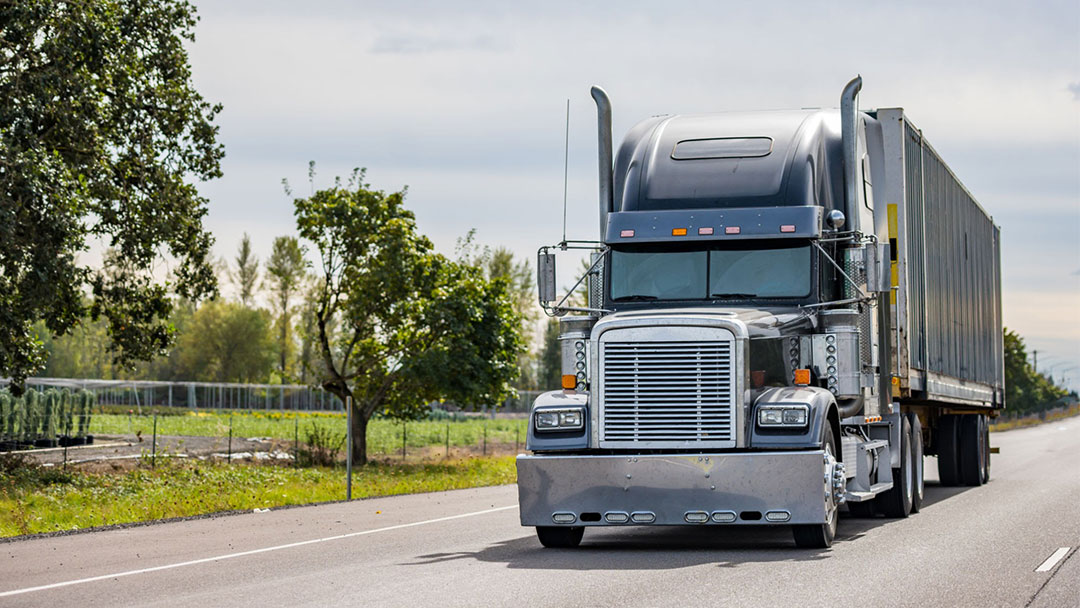
Long‑haul trucks, semi‑trucks and tractor‑trailers face extended blind spots, limited rear visibility, and frequent lane‑change and reversing risks.
Core challenges
● Large side and rear blind spots around the tractor and trailer
● Limited visibility during lane changes, turning, and reversing
● Increased exposure to road incidents over long operating hours
● Need for video evidence when accidents or disputes occur
What Buyers Should Evaluate
● Blind‑Spot Coverage
Evaluate camera coverage and detection capability for critical side and rear areas created by the tractor‑trailer structure.
● Driving & Reversing Visibility
Consider front, side, and rear visibility based on highway driving, lane changes, docking, and low‑speed maneuvering.
● Video Recording and Incident Evidence
Consider recording modes, storage capacity, and pre‑recording based on the fleet's accident, liability, and incident review requirements.
● Fleet Connectivity
For connected fleets, evaluate 4G/5G connectivity, GPS tracking, remote video access, and centralized monitoring requirements.
2. Urban Delivery and Distribution Trucks
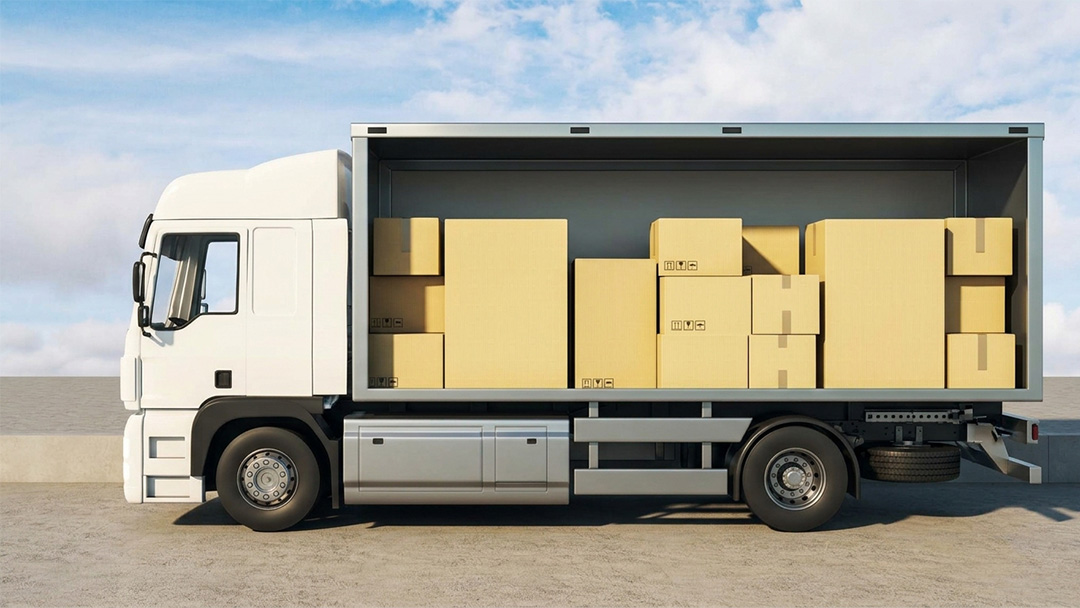
Urban delivery applications include box trucks, straight trucks, and delivery trucks that frequently operate in dense traffic and confined areas. These vehicles make repeated stops and often interact with pedestrians, cyclists, parked vehicles, and loading zones.
Core challenges
● Close‑range blind spots around the vehicle
● Frequent interaction with pedestrians and cyclists
● Repeated reversing and turning in confined areas
● Limited visibility around rear and loading areas
What Buyers Should Evaluate
● Close‑Range Visibility Requirements
Evaluate whether camera coverage provides sufficient visibility around areas that are difficult for the driver to observe from the cab.
● Vulnerable Road User Detection Requirements
Buyers should evaluate where pedestrians and cyclists are most likely to enter the vehicle's blind areas and whether the proposed detection coverage matches these risk zones.
● Reversing & Turning Safety Requirements
Assess rear and side visibility and relevant detection functions for loading zones, narrow streets, parking areas, and frequent low‑speed maneuvers.
● Incident Evidence Requirements
Consider recording and event review requirements for collisions, pedestrian incidents, property damage, and delivery‑related disputes.
3. Construction and Worksite Trucks
Construction and worksite applications include dump trucks, concrete mixer trucks, and crane trucks. These vehicles operate around workers, machinery, materials, and temporary obstacles, often under demanding environmental conditions.
Core challenges
● Large blind zones around high‑clearance vehicles and working equipment
● Workers and pedestrians moving close to the vehicle
● Frequent reversing and low‑speed maneuvering
● Dust, water, mud, vibration, and other harsh conditions
What Buyers Should Evaluate
● Blind‑Zone Coverage Requirements
Evaluate camera coverage around the vehicle body, working equipment, and other areas that can obstruct the driver's direct view.
● AI Detection
Consider person, vehicle, or obstacle detection according to the worksite layout and specific operational risks.
● Low‑Speed Maneuvering Requirements
Assess rear, side, and close‑range visibility for reversing, turning, and maneuvering around equipment and obstacles.
● Environmental Performance Requirements
Check camera and system protection against the levels of water, dust, vibration, temperature, and contamination expected in the worksite.
How Should Buyers Compare Truck Camera Suppliers?
Comparing truck camera suppliers should go beyond individual camera specifications. For commercial vehicle projects, buyers should consider whether the supplier can provide an adaptable system and support integration and fleet deployment.
Can the Supplier Provide a Complete System?
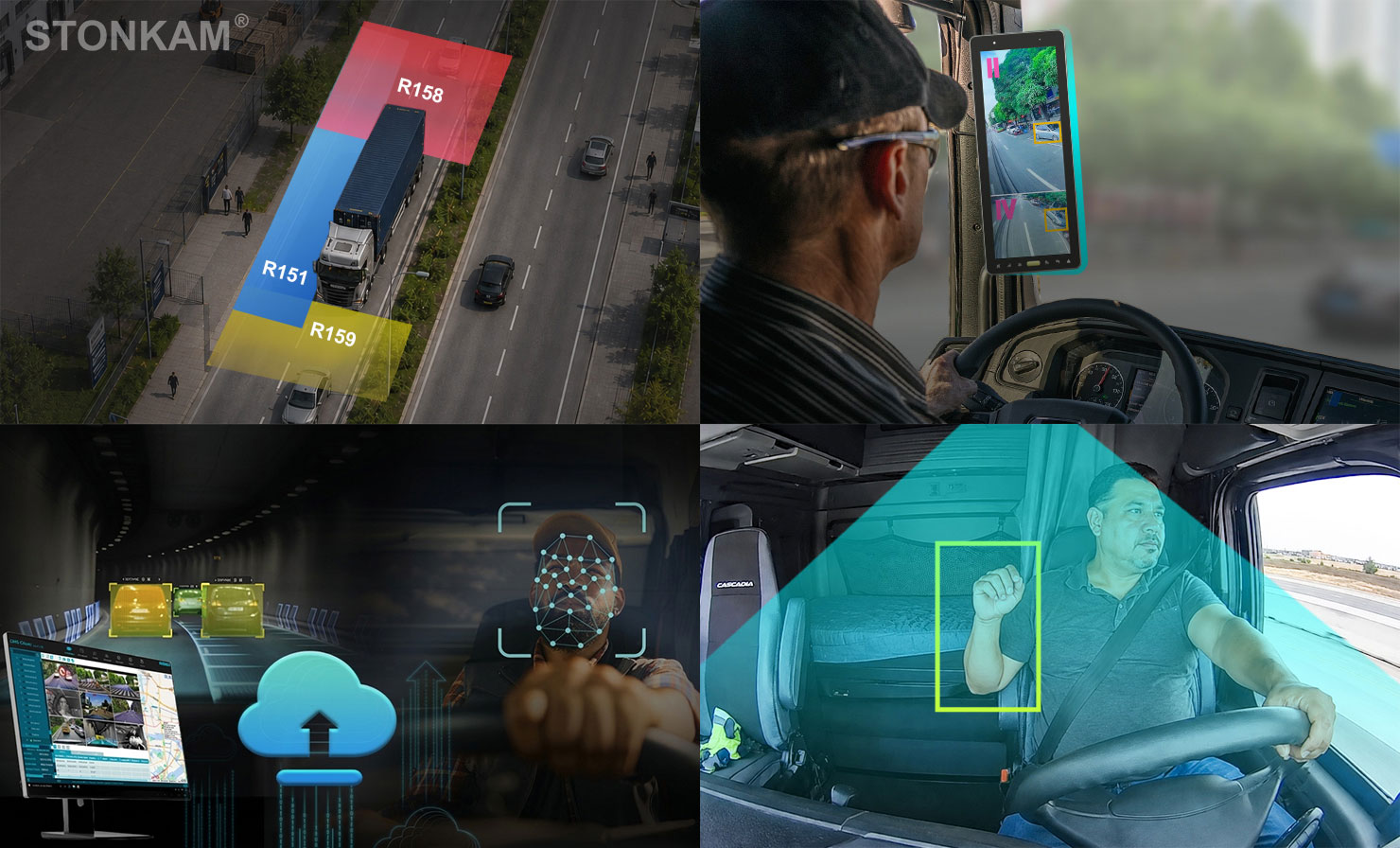
Depending on the application, a truck camera system may combine AI cameras, monitors, 360 Around View, DMS, AI MDVR, radar, GPS, 4G/5G connectivity, and fleet management. A supplier with broader system capabilities can help simplify system integration and deployment.
Can the Solution Adapt to Different Truck Configurations?
Truck dimensions, body structures, and operating conditions vary by application. Buyers should check whether the supplier can configure camera coverage and system functions for different truck models rather than relying on a fixed package.
Does the Supplier Support Regulatory and Market Compliance?
For projects involving applicable UN ECE regulations, buyers should verify whether the supplier can align system configuration with relevant requirements, such as R46, R151, R158, and R159, based on the vehicle type, system function, and target market. This can help reduce compliance‑related changes during project development and deployment.
Does the Supplier Support Integration and Future Expansion?
Before purchasing, buyers should verify interfaces, communication protocols, video formats, connectivity, and compatibility with existing vehicle or fleet platforms. The system should also be scalable when fleets add new vehicle models or functions.
STONKAM provides commercial vehicle solutions covering vehicle vision, AI perception, intelligent display, video telematics, and AIoT connectivity, with configurations adaptable to different truck structures and fleet requirements.
What Are the Common Truck Camera System Buying Mistakes?
Mistake 1: Choosing Cameras Based Only on Resolution
A higher resolution does not automatically provide better visibility. Camera position, viewing angle, coverage area, and the truck’s structure also affect what the driver can actually see.
Mistake 2: Using the Same Configuration for Every Truck
A tractor‑trailer, delivery truck, and construction truck have different blind spots and operating conditions. Applying one camera layout across all vehicles can leave critical areas uncovered.
Mistake 3: Evaluating Individual Cameras Without Considering System Compatibility
Camera selection should be evaluated together with cameras, displays, recorders, AI functions, communication modules, and fleet platforms. Interfaces and protocols should also be confirmed early to avoid compatibility issues and system changes during integration.
Mistake 4: Evaluating AI Capabilities Without Considering the Actual Safety Application
AI performance should be evaluated based on the required detection targets, detection range, warning functions, and vehicle operating scenarios—not simply whether AI features are included.
Mistake 5: Treating Installation as Afterthought
Camera performance depends on installation position, viewing angles, and calibration. This is particularly important for trailers, long‑body trucks, mounted equipment, and non‑standard vehicle structures. Installation and calibration requirements should be confirmed during system planning.
Mistake 6: Choosing a System Without Considering Future Fleet Expansion
A solution that works for one vehicle model may become difficult to scale when new truck types are added. Buyers should consider whether the system can support different vehicle configurations without requiring a completely different architecture.
A well‑defined system architecture can reduce configuration changes and integration risks during deployment. STONKAM works with different truck structures and application requirements to develop configurable commercial vehicle safety solutions for specific vehicle and fleet projects.
Conclusion:What Should Buyers Prioritize for Different Truck Applications?
The procurement focus changes with the dominant risk of each truck application. The same evaluation framework can also be applied to logistics fleets and mixed fleets with multiple vehicle types.
|
Truck Application |
Key Safety Challenges |
Configuration Priorities |
|
Long‑Haul Trucks |
Long driving hours, limited side and rear visibility, reversing and docking |
Driver safety, side/rear visibility, blind‑spot detection, video recording, fleet management |
|
Urban Delivery Trucks |
Pedestrians, cyclists, frequent stops, tight streets and low‑speed manoeuvring |
Close‑range visibility, pedestrian/vehicle detection, blind‑spot detection, reversing visibility |
|
Logistics Trucks |
Frequent loading and unloading, reversing in yards, cargo‑area visibility, incident management |
Multi‑camera coverage, rear and cargo‑area visibility, video recording, remote monitoring |
|
Construction Trucks |
Large blind zones, workers and machinery, mounted equipment, harsh operating environments |
360 around view, AI detection, low‑speed visibility, camera durability |
|
Mixed Truck Fleets |
Different vehicle structures, applications, and operating conditions across the fleet |
Flexible camera layouts, scalable system architecture, video telematics, fleet management |
The objective is not to select the same camera configuration for every truck. Buyers should first identify the vehicle's dominant risks, then evaluate whether the system provides the required visibility, AI detection, video telematics, connectivity, and environmental capabilities.
STONKAM supports configurable commercial vehicle camera and safety systems for different truck structures, operating scenarios, and integration requirements, helping turn specific vehicle and project requirements into a complete camera system configuration.
-
Yes. STONKAM supports retrofit projects for existing commercial trucks. Camera layouts, displays, and safety functions can be configured according to the vehicle structure, installation conditions, and existing onboard systems.
-
Yes. Cargo-area cameras can be integrated with AI MDVRs and remote video monitoring to provide continuous cargo visibility. Fleet operators can view live or recorded footage, improve cargo security, investigate incidents, and reduce losses caused by theft or damage.
-
Yes. The core system can be standardized, while camera layouts, AI functions, displays, and recording configurations can be adapted to different vehicle structures and operating requirements. STONKAM provides configurable solutions for diverse commercial truck applications.
-
There is no fixed number for every truck. The required camera quantity depends on truck length, body structure, trailer configuration, blind spots, operating environment, and the areas that need to be monitored. Buyers should determine coverage requirements first and then define the camera layout.
-
Yes. STONKAM provides OEM and fleet customization services for commercial vehicle manufacturers, system integrators, and fleet operators. Solutions can be tailored with different AI functions, camera layouts, displays, recording systems, and connectivity options to meet specific vehicle and operational requirements.
-
Buyers should consider camera coverage, system compatibility, AI capabilities, recording, connectivity, environmental performance, integration support, customization, compliance requirements, and future scalability.