Why Are Commercial Truck Fleets Moving Toward Smarter Safety Systems?

Why Are Commercial Truck Fleets Facing More Complex Safety Requirements?
Commercial truck safety is moving beyond basic visibility and incident recording. Different truck applications now require solutions that can support vehicle visibility, risk detection, driver safety awareness, video management, and system integration.
This is driving demand for more integrated commercial truck safety solutions that can adapt to different truck configurations and operating environments.
Commercial truck operations are becoming more diverse, with vehicles working across highways, urban roads, logistics facilities, construction sites, and other demanding environments. This creates different safety requirements related to vehicle visibility, driver awareness, blind spots, video management, and vehicle operation.
Key factors include:
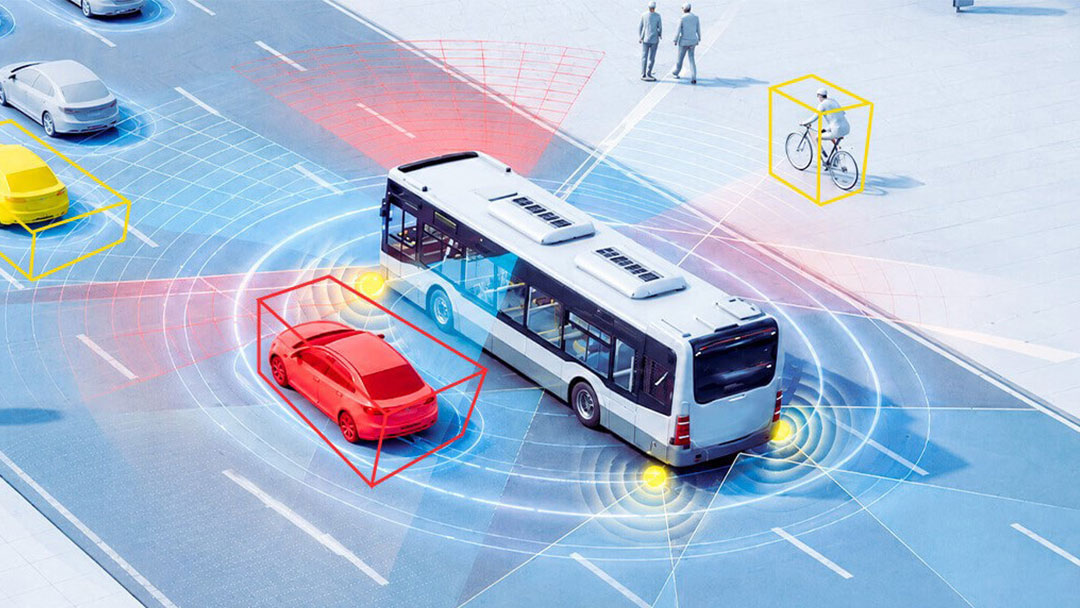
● More complex operating environments: Trucks encounter pedestrians, cyclists, other vehicles, obstacles, and restricted spaces.
● Larger vehicle blind spots: Long or specialized vehicle structures can limit direct visibility around the vehicle.
● Higher driver safety requirements: Long‑distance driving, frequent manoeuvring, and demanding working conditions increase the need for better driver awareness and assistance.
● Greater fleet management needs: Operators need better visibility into driving events, incidents, and vehicle operations.
● More diverse project requirements: Different truck types, operating scenarios, and markets require different safety configurations.
As a result, commercial truck safety systems need to address more than basic camera visibility or video recording.
What Capabilities Should a Modern Commercial Truck Safety Solution Provide?
A modern truck safety solution should combine several complementary capabilities rather than rely on a single safety function.
● Expanded Vehicle VisibilityProvide clear views of areas that are difficult for drivers to observe directly, including rear, side, and surrounding areas.
● Blind Spot and Risk DetectionIdentify relevant vehicles, pedestrians, obstacles, or other potential hazards around the truck where applicable.
● Driver Safety AwarenessSupport driver awareness through functions such as driver status monitoring and safety‑related alerts.
● Video‑Based Fleet ManagementProvide vehicle video and event information that can support incident review, driver performance evaluation, and ongoing fleet safety management.
● System IntegrationConnect cameras, displays, detection functions, video systems, and other vehicle or platform interfaces according to project requirements.
● Deployment FlexibilityAllow the safety configuration to be adapted to different vehicle structures, applications, and operating environments.
How Should Truck Safety Solutions Be Configured for Different Applications?
Different truck applications face different operating risks, so the required safety configuration should be based on how the vehicle is used rather than applying the same system to every truck.
These differences show why commercial truck safety is moving toward more flexible technology combinations rather than a single fixed configuration. STONKAM supports this approach by combining vehicle vision and safety technologies according to different truck architectures and operating scenarios.
How Does STONKAM Support Commercial Truck Safety Projects?
STONKAM supports commercial truck safety projects with configurable vehicle vision, AI detection, driver monitoring, video recording, and system connectivity technologies. Instead of applying one fixed configuration to every vehicle, solutions can be adapted according to truck structure, operating environment, safety priorities, system architecture, and applicable market requirements.
● Improving Visibility and Blind‑Spot Awareness
Large commercial vehicles often have areas that are difficult for drivers to observe directly, particularly during reversing, turning, and low‑speed manoeuvring. STONKAM helps improve visibility around the vehicle and provides clearer visual coverage of rear, side, and surrounding areas.
● Reducing Blind‑Spot and Manoeuvring Risks
Pedestrians, cyclists, other vehicles, and site personnel can enter areas that are difficult for drivers to monitor. STONKAM helps address these risks through surrounding vision and relevant detection and warning functions for blind‑spot and manoeuvring scenarios.
● Supporting Truck Driver Safety
Long driving hours and demanding operating conditions can increase the need for driver safety awareness. STONKAM helps identify driver status and abnormal driving behaviors, extending safety coverage from the vehicle surroundings to the driver.
● Supporting Video‑Based Fleet Safety Management
Vehicle video can provide important information beyond the immediate driving event. STONKAM helps fleet operators review driving events, investigate incidents, evaluate driver performance, and support ongoing vehicle safety management.
● Connecting Safety Functions with Vehicle Systems
Commercial truck safety functions need to work within the vehicle's broader electronic architecture. STONKAM helps connect vehicle cameras, displays, detection functions, video systems, and external platforms according to project requirements.
● Adapting Safety Solutions to Different Truck Applications
Long‑haul, urban delivery, logistics, and construction trucks have different vehicle structures and operating conditions. STONKAM helps adjust safety coverage and system configuration according to the specific vehicle and application rather than applying one fixed configuration across different truck types.
● Supporting Market and Regulatory Requirements
Safety system deployment also needs to consider the regulatory requirements of the target market and vehicle application. STONKAM has experience with commercial truck safety projects involving relevant UN ECE requirements, including R46, R151, R158, and R159, helping project teams incorporate applicable regulatory considerations into system configuration and deployment.
Conclusion
The shift toward smarter commercial truck safety is driven by more complex truck operations, broader safety expectations, greater fleet accountability, and evolving market requirements.
Modern truck safety solutions increasingly combine vehicle visibility, intelligent detection, driver safety awareness, real‑time warnings, video management, and system integration.
STONKAM supports this transition with configurable vehicle vision and safety technologies designed for different commercial truck applications, helping OEMs, fleet operators, and system integrators build safety configurations around their actual vehicle and operational requirements.