How Can AI Pedestrian & Vehicle Detection Camera Systems Reduce Truck Collision Risks?

What Blind Spot Risks Are Difficult for Truck Fleets to Manage?
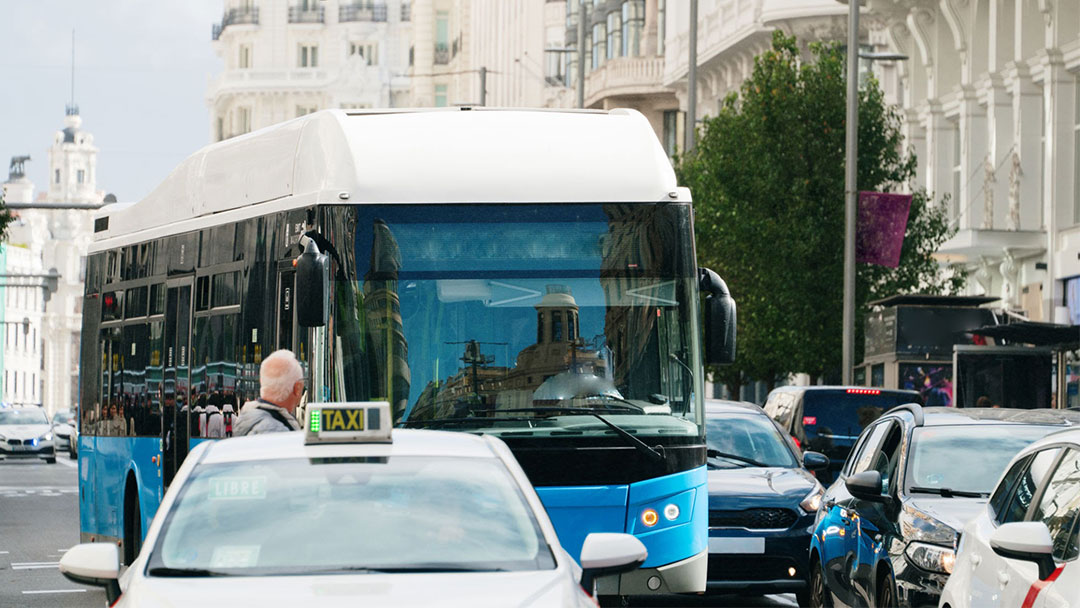
For commercial trucks, blind spot risks are particularly difficult to manage when pedestrians, cyclists, and vehicles move close to the vehicle during turning, moving off, and low-speed manoeuvring. The key challenges include:
● Limited real-time visibility: Large truck structures and close-proximity areas can make pedestrians, cyclists, and vehicles difficult to observe continuously.
● Fast-changing blind spot risks: During turning, moving off, lane manoeuvring, and low-speed operations, road users can quickly enter critical blind spot areas.
● Driver-dependent detection: Mirrors and conventional cameras can provide additional visibility, but drivers still need to identify and assess potential hazards themselves.
● Delayed risk awareness: When a pedestrian or vehicle is detected too late, the driver's available reaction time can be reduced.
For fleets, this creates a need for a more proactive approach: continuously monitor critical blind spot areas, accurately identify relevant road users, and provide timely warnings when risks emerge.
Why Is Real-Time Pedestrian And Vehicle Detection Important for Truck Blind Spot Safety?
A conventional truck blind spot camera can give drivers a view of an area that may be difficult to see through mirrors. However, providing a video image does not necessarily mean that a potential hazard will be identified in time.
During truck operations:
● The driver still needs to continuously watch the display.
● A pedestrian or vehicle can enter the monitored area while the driver's attention is focused elsewhere.
● The camera image does not automatically indicate which object may represent a potential risk.
● Frequent turning and low-speed manoeuvring can create rapidly changing blind spot conditions.
For truck fleets looking beyond passive visibility, an AI pedestrian and vehicle detection camera system adds another layer of safety by automatically identifying relevant road users in designated monitoring areas. Instead of relying only on visual observation, the system can combine real-time monitoring, AI target detection, and active warning to help drivers recognize potential blind spot risks earlier.
This is where STONKAM AI Pedestrian & Vehicle Detection Camera System provides a more proactive approach to truck blind spot protection.
What Is STONKAM Truck AI Pedestrian & Vehicle Detection Camera System and How Does It Work?
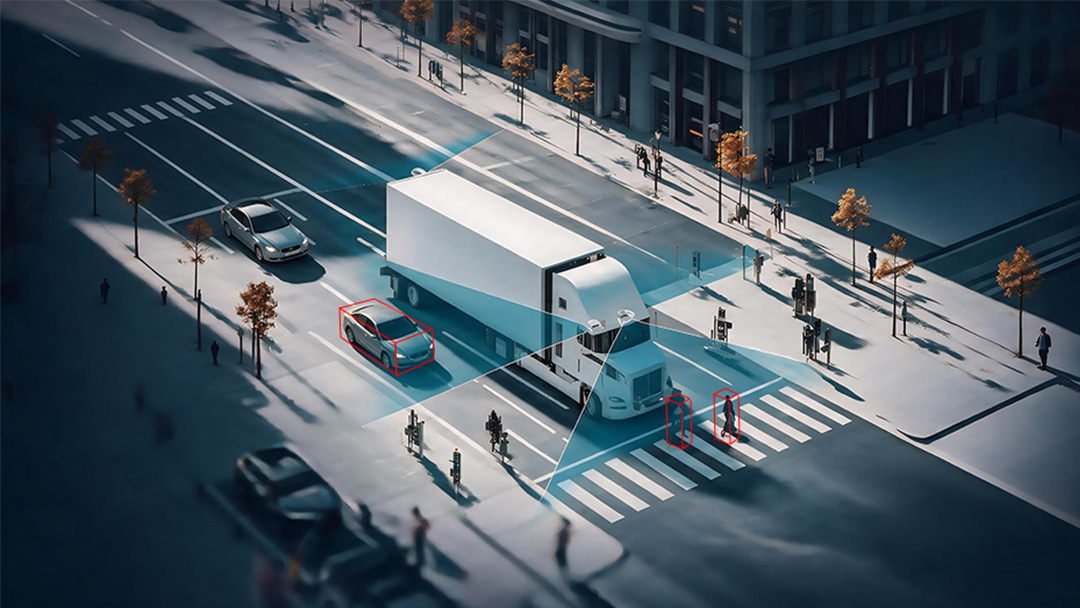
STONKAM AI Pedestrian & Vehicle detection camera is an active blind spot safety system designed for commercial trucks. It combines vehicle cameras, AI target detection, configured detection zones, and audio-visual warnings to help drivers identify pedestrians, cyclists, e-bike riders, and vehicles in critical blind spot areas.
The system works through a simple safety chain:
Camera Monitoring → AI Target Detection → Detection-Zone Analysis → Risk Identification → Audio-Visual Warning
When a supported target enters a configured detection area, the system identifies the target and provides a warning according to the system configuration, helping the driver respond earlier during turning, moving off, and low-speed manoeuvring.
How Can STONKAM AI Pedestrian & Vehicle Detection Camera System Help Reduce Truck-Pedestrian Collision Risks?
STONKAM truck blind spot detection camera system combines real-time blind spot monitoring, AI pedestrian and vehicle detection, and active warning to help truck drivers identify potential hazards in critical blind spot areas.
● Real-time Blind Spot Monitoring: Provides a wider view of critical areas around the truck, with wide-angle monitoring and detection coverage up to 20 m for specified front- and side-view applications.
● AI Pedestrian & vehicle detection: Identifies pedestrians, cyclists, e-bike riders, and vehicles in monitored areas to help drivers recognize potential hazards.
● HD Video & Active Truck Safety Warning: 1080P HD video provides clearer details, while AI tracking and warning boxes, together with audio-visual alerts, provide trucks timely safety warnings.
● Flexible system integration: Supports multiple video and network interfaces for integration with vehicle displays and onboard systems according to project requirements.
By combining continuous blind spot monitoring, AI Pedestrian & vehicle detection, and active warning, STONKAM system helps turn potential blind spot hazards into earlier, actionable warnings, supporting the reduction of truck-pedestrian collision risks.

What Changes in Truck Fleet Operations with STONKAM AI Pedestrian & Vehicle Detection Camera System Deployment?
With STONKAM AI Pedestrian & Vehicle Detection Camera System, fleets can enhance conventional truck blind spot camera setups with intelligent detection and active warning.
● Better Blind Spot Visibility:STONKAM truck blind spot camera system continuously monitors critical areas that are difficult to observe through mirrors alone, helping reduce blind spot exposure during daily truck operations.
● Reduce Pedestrian & Vehicle Collision Risks:STONKAM system detects pedestrians, cyclists, e-bike riders, and vehicles in designated blind spot areas, helping address collision risks during turning, moving off, and low-speed operations.
● Standardize Blind Spot Protection:For fleets operating different commercial truck models, STONKAM system can provide a consistent approach to blind spot monitoring, AI detection, and active warning across applicable vehicles.
● Support Safer Fleet Operations:By combining real-time monitoring, AI detection, and active warnings, STONKAM system helps fleets strengthen protection around high-risk blind spot situations.
Together, these benefits make STONKAM AI Pedestrian & Vehicle Detection Camera System a practical safety solution for different truck operations and vehicle configurations.
Which Truck Operations Benefit Most from STONKAM AI Pedestrian & Vehicle Detection Camera Systems?
STONKAM truck AI pedestrian & vehicle detection camera system is designed for commercial truck operations where pedestrians, cyclists, and nearby vehicles can enter critical blind spot areas during daily driving and manoeuvring.
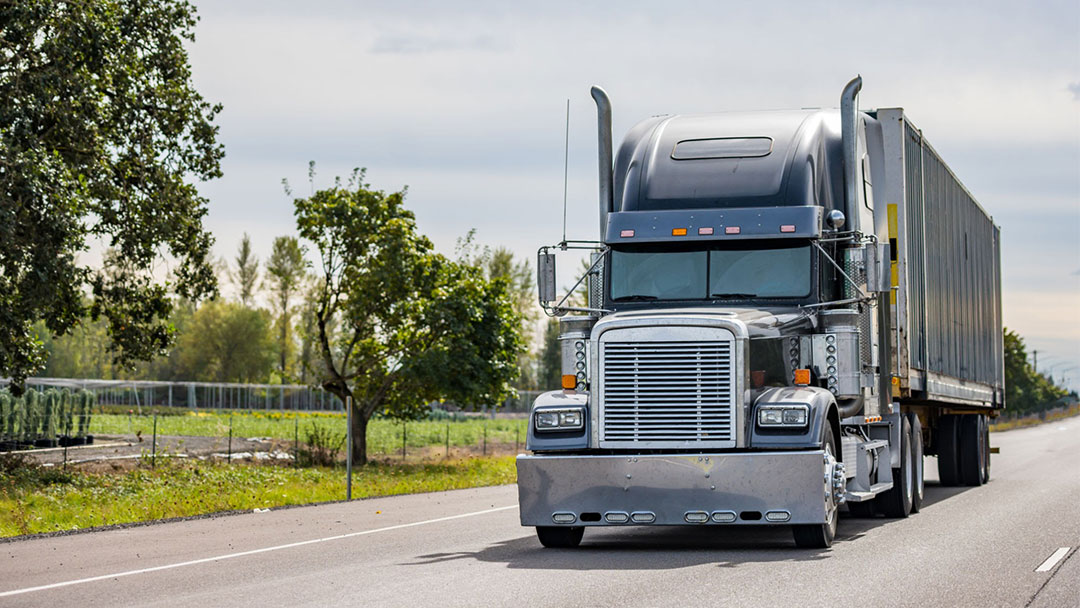
● Semi-Trucks and Long-Haul Trucks — Helps detect pedestrians, cyclists, and vehicles around large truck blind spots during turning, moving off, and low-speed manoeuvring.
● Delivery Trucks and Box Trucks — Supports blind spot detection in urban and regional delivery operations where trucks frequently operate around pedestrians, cyclists, and e-bike riders.
● Heavy-Duty Trucks and Fleet Vehicles — Provides real-time blind spot monitoring and active warning for high-utilization commercial truck fleets.
● Dump Trucks and Construction Transport Trucks — Helps detect people and vehicles around trucks operating in confined work areas and other demanding environments.
Across these applications, STONKAM truck blind spot detection camera system helps fleets improve real-time awareness of critical blind spot areas and provide active warnings when pedestrians or vehicles are detected.
Why Choose STONKAM AI Pedestrian & Vehicle Detection Camera for Truck Blind Spot Safety Projects?
STONKAM truck AI Pedestrian & Vehicle Detection Camera system provides a complete solution for commercial truck blind spot safety by integrating:
● Regulatory Compliance:STONKAM pedestrian and cyclist detection monitoring camera + alarm meet UN ECE R159 (MOIS) standards, reducing accidents from blind spots, enhancing safety, and protecting vulnerable road users.
● Real-Time Blind Spot Monitoring: Continuously monitors designated blind spot areas around the truck, providing additional visibility during daily operations.
● AI Pedestrian & Vehicle Detection: Supports detection of pedestrians, cyclists, e-bike riders, and vehicles to help identify potential blind spot risks.
● Active Audio-Visual Warning:Supports in-cab visual and audio warnings, with external audio-visual warning available for supported camera configurations.
● Flexible System Integration:Supports AHD, CVBS, 100M Ethernet, RTSP, and ISO 17215 interfaces for integration with different vehicle displays and onboard systems.
● Scalable Project Support:STONKAM has over 20 years of experience developing commercial vehicle vision systems, supporting OEMs and fleet operators with configurable camera and vehicle safety solutions for different truck platforms.
Conclusion
STONKAM truck AI Pedestrian & Vehicle Detection Camera system combine real-time monitoring, AI pedestrian and vehicle detection, and active audio-visual warning to help fleets improve situational awareness during truck turning, moving off, low-speed manoeuvring, and urban delivery. By providing earlier detection and timely warnings around critical blind spot areas, STONKAM system supports safer truck operations and more effective pedestrian and vehicle collision risk management.
-
They can be installed at the front, sides, or other critical blind spot areas according to the truck structure and project requirements.
-
A conventional camera provides video visibility, while an AI detection camera can also identify supported road users and trigger active warnings.
-
Yes. They can be configured for semi-trucks, delivery trucks, box trucks, heavy-duty trucks, dump trucks, and other commercial vehicles.
-
Yes, with suitable camera selection and system configuration based on lighting, installation position, and operating conditions.
-
UN ECE R159 defines MOIS requirements for detecting pedestrians and cyclists in critical front areas when applicable vehicles move off.
-
Key factors include detection area, camera coverage, target types, warning method, vehicle interfaces, operating environment, and system integration.