Why Are Ethernet In-Vehicle Cameras Essential for Safer and Smarter Outdoor Vehicle Operations?

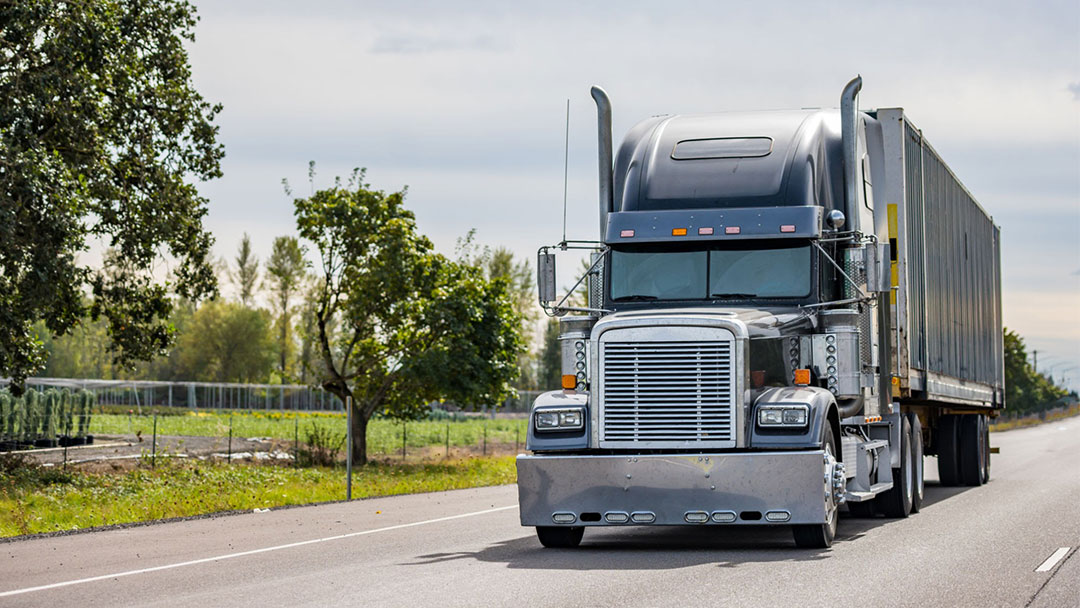
With the rapid development of intelligent vehicle technologies, outdoor work vehicles are increasingly relying on advanced visual monitoring systems. The In-Vehicle Camera has evolved from simple recording devices into intelligent perception tools that enhance safety, efficiency, and fleet management.
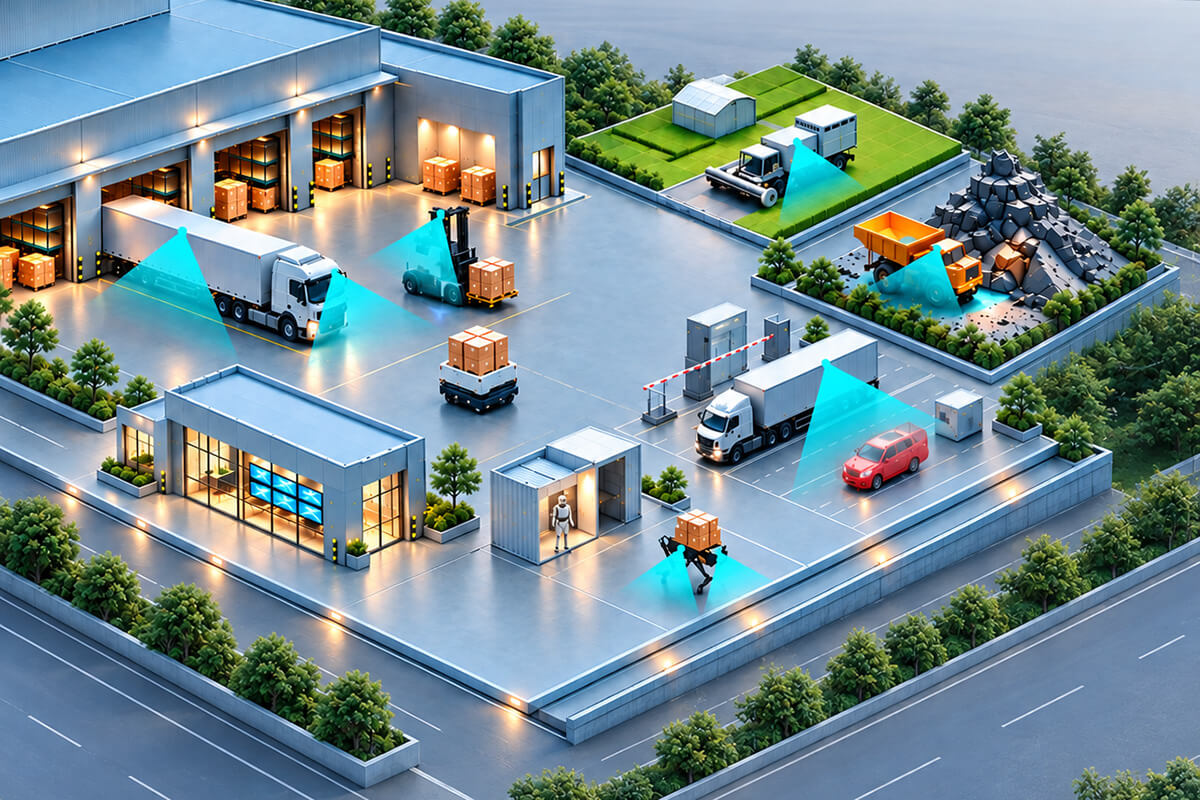
Among these innovations, Ethernet in-vehicle cameras have emerged as a preferred solution for construction machinery, mining trucks, and industrial fleets operating in complex environments.
How an In-Vehicle Camera Improves Operational Safety
Outdoor vehicles face constant risks from blind spots, limited visibility, and unpredictable surroundings.
An In-Vehicle Camera provides:
● Real-time visibility of rear, side, and elevated blind zones
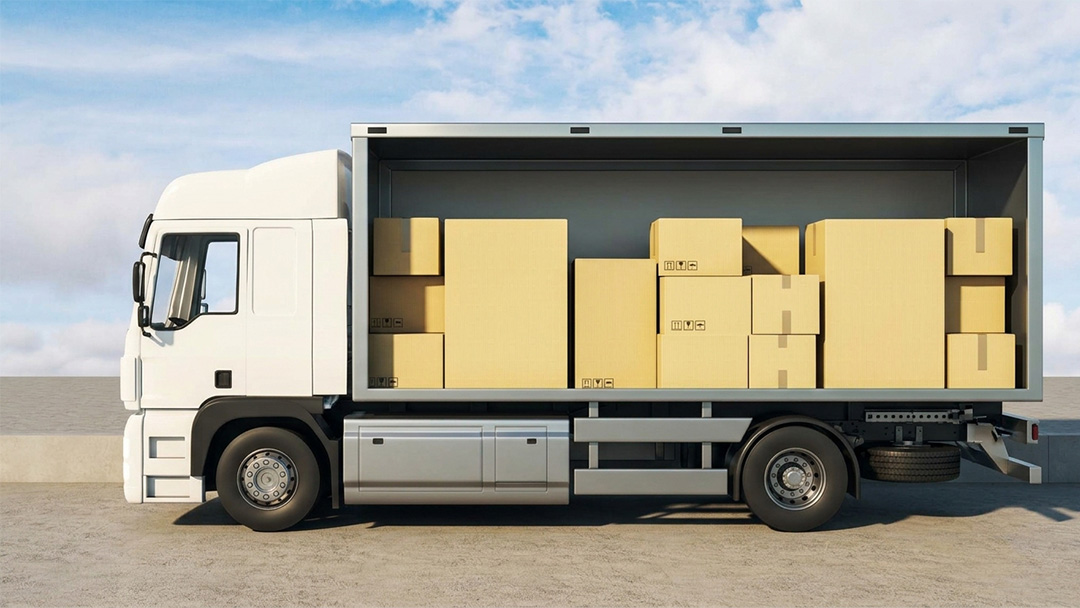
● Continuous monitoring during loading, reversing, and maneuvering
● Early hazard recognition to prevent collisions
STONKAM Ethernet in-vehicle cameras deliver high-definition video streams that allow drivers to clearly understand their surroundings and identify potential dangers before accidents occur.
High-Quality Video Surveillance with Ethernet Camera Technology
Traditional analog cameras often suffer from signal degradation, noise, and limited resolution.
In contrast, an Ethernet In-Vehicle Camera uses IP-based transmission to deliver:
● High-resolution and high-frame-rate video
● Stable performance in low-light and nighttime conditions
● Clear images for 24/7 outdoor operations
This makes the In-Vehicle Network Camera an essential component for vehicles requiring uninterrupted visual monitoring.
Simplified Wiring with Ethernet In-Vehicle Cameras
Complex wiring is a major challenge in traditional vehicle monitoring systems.
An Ethernet in-vehicle camera simplifies system architecture by:
● Using a single Ethernet cable for power and data
● Reducing installation time and maintenance costs
● Minimizing electromagnetic interference
STONKAM’s Ethernet Camera solutions ensure stable signal transmission even in harsh industrial environments.
Remote Monitoring and Fleet Management Visibility
Modern fleet operations demand real-time oversight.
With an In-Vehicle Camera integrated into a networked system:
● Fleet managers can access live video remotely
● Vehicle operations can be monitored in real time
● Incident response and operational decisions become data-driven
This capability significantly improves fleet efficiency and safety management.
AI-Powered Detection for Smart Driving Assistance
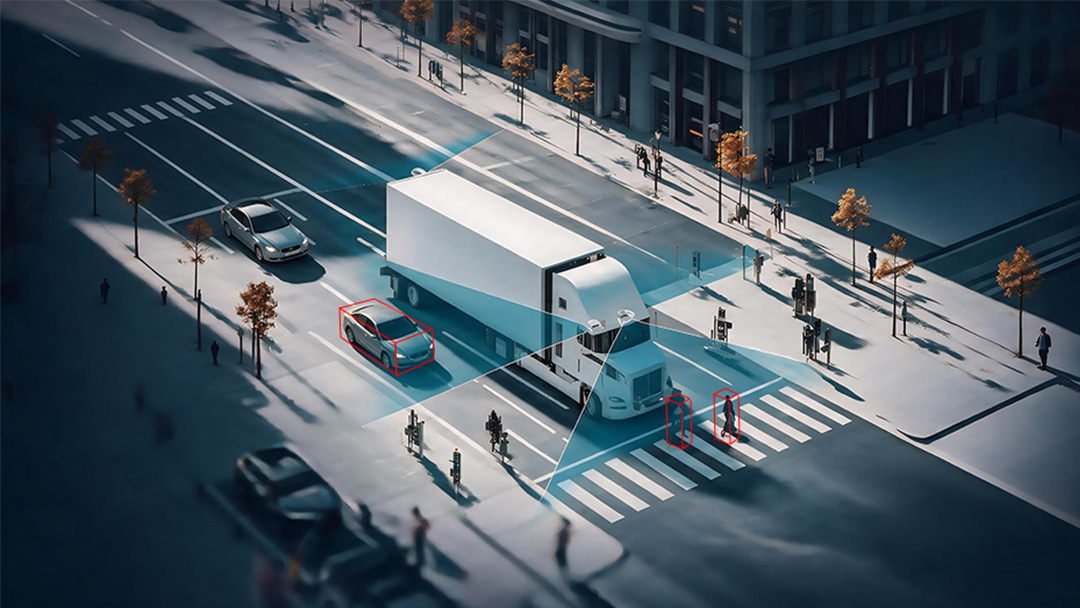
Beyond video capture, STONKAM In-Vehicle Cameras integrate AI algorithms and deep learning technology.
Key intelligent functions include:
● Pedestrian detection (including cyclists and e-bike riders)
● Vehicle recognition in complex traffic scenarios
● Real-time alerts to assist drivers in collision avoidance
This transforms the Ethernet in-vehicle camera into an active safety assistant rather than a passive monitoring device.
Why Ethernet In-Vehicle Cameras Are the Future
A professional In-Vehicle Camera is no longer optional for outdoor and industrial vehicles—it is a necessity.
STONKAM Ethernet in-vehicle cameras combine high-definition imaging, simplified wiring, AI intelligence, and remote management to create a future-ready visual monitoring solution that enhances safety, efficiency, and operational control.
-
An In-Vehicle Camera provides real-time video monitoring inside and around a vehicle to improve safety, visibility, and fleet management.
-
Ethernet in-vehicle cameras offer higher image quality, network connectivity, AI detection, and industrial-grade reliability compared to consumer dash cams.
-
Yes. They are designed to withstand vibration, dust, temperature changes, and electromagnetic interference.
-
Yes. Ethernet cameras allow live video access and remote fleet management through network connections.